

A faint damp smell, a small patch of peeling paint or a water bill that keeps creeping higher can be easy to ignore. In many homes, these signs are dismissed as minor inconveniences rather than warnings. Yet what often starts as a slow, hidden water leak can quietly compromise a property’s structural integrity over months or even years. That’s why leak detection in Darwin is essential.
Water seeps, spreads and weakens materials long before damage becomes visible. By the time floors begin to lift or walls start to crack, the underlying issue has usually been present for some time. Understanding how small leaks develop, how they worsen and why early intervention matters can make a significant difference to the long-term health of a home.
Where Small Water Leaks Commonly Begin
Most serious water damage starts in places homeowners rarely see. Plumbing systems are designed to operate silently in the background, which is exactly why small faults often go unnoticed. A slow drip inside a wall or under a slab can persist without triggering obvious alarm bells.
Common starting points for minor leaks include:
- Ageing or poorly sealed pipe joints hidden behind walls
- Hairline fractures in pipes caused by movement or pressure changes
- Worn seals around fixtures that slowly release moisture
- Small failures in underground water lines beneath the home
Because these leaks rarely produce pooling water at first, they tend to remain undetected until surrounding materials begin to absorb moisture.
Why Unnoticed Leaks are Rarely Harmless
Even a modest amount of water escaping continuously can have a cumulative effect. Timber, concrete, plaster and insulation all respond poorly to prolonged moisture exposure. Instead of drying out fully, these materials gradually deteriorate from the inside.
Over time, unnoticed leaks can lead to:
- Softening & swelling of structural timber
- Breakdown of adhesives & fixings
- Loss of strength in wall linings & floor substrates
- Increased vulnerability to cracking & movement
What makes this damage particularly problematic is that it progresses quietly, often without visible surface signs until repairs become more complex.
How Humidity & Seasonal Moisture Intensify Damage
Environmental conditions play a significant role in how quickly water damage escalates. High humidity slows evaporation, meaning moisture lingers longer within building materials. Seasonal rainfall patterns can also increase groundwater saturation, placing additional pressure on underground plumbing.
When leaks coincide with these conditions, moisture spreads further and penetrates deeper than it otherwise would. This prolonged exposure can cause:
- Accelerated decay of timber framing
- Reduced effectiveness of insulation materials
- Persistent dampness that never fully dries out
- Greater stress on foundations & floor systems
These factors combine to turn what could have been a straightforward repair into a structural concern.
The Impact of Hidden Leaks on Foundations
Foundations are designed to remain stable under consistent conditions. When water from an undetected leak enters the soil beneath a home, it alters those conditions. Moist soil expands, dries and shifts, placing uneven pressure on the foundation.
Long-term foundation issues linked to hidden leaks include:
- Minor subsidence caused by soil movement
- Hairline cracks that gradually widen
- Uneven settling that affects door & window alignment
- Increased stress on load-bearing walls
Because foundation movement often occurs slowly, homeowners may not connect early warning signs to a plumbing issue until significant damage has occurred.
Wall Cavities as Moisture Traps
Wall cavities are particularly vulnerable to hidden leaks. Once water enters this enclosed space, it has limited airflow and few opportunities to evaporate. Instead, moisture spreads across insulation, timber studs and plasterboard.
Within wall cavities, ongoing leaks can cause:
- Gradual weakening of timber framing
- Breakdown of plasterboard & internal linings
- Persistent damp patches that reappear after painting
- Increased risk of secondary issues caused by moisture
By the time damage becomes visible on the wall surface, the internal structure may already be compromised.
What Happens Beneath Floors When Leaks Persist
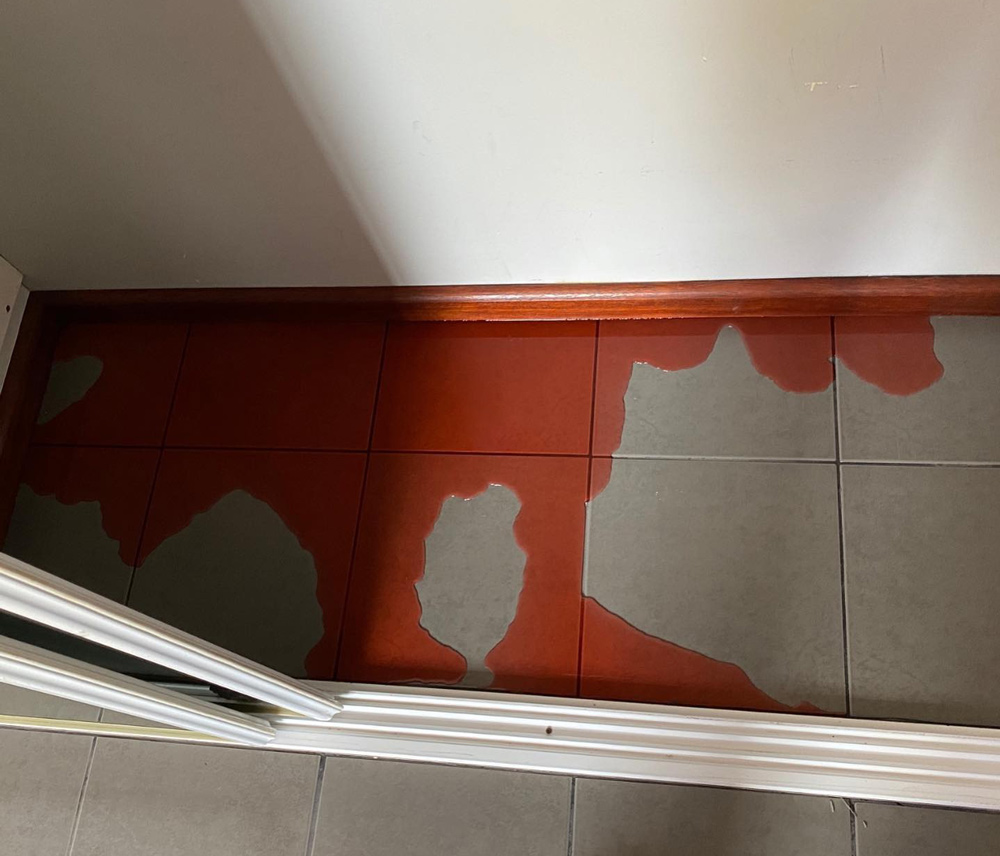
Floors often conceal leaks for long periods, especially when plumbing runs beneath slabs or subfloors. Water escaping in these areas can migrate across large sections of the home before signs appear above ground.
Common consequences of underfloor leaks include:
- Warping or lifting of floor coverings
- Deterioration of subfloor materials
- Loss of support in timber floor systems
- Ongoing moisture that weakens structural connections
Because floor damage affects both safety and comfort, early detection plays a crucial role in preventing extensive repairs.
The Long-term Cost of Delaying Leak Detection
Many homeowners delay investigating suspected leaks due to uncertainty or concern about disruption. Unfortunately, postponing action often increases the scope and cost of repairs. What might have required a targeted plumbing fix can escalate into structural restoration.
Delaying leak detection in Darwin may result in:
- More invasive repair work
- Replacement of damaged building materials
- Higher labour & remediation costs
- Extended disruption to daily living
Early identification allows repairs to remain focused on the source of the problem rather than the aftermath.
How Professional Leak Detection Reduces Structural Risk
Modern leak detection methods allow plumbers to locate hidden leaks without unnecessary damage to the property. Using specialised equipment, professionals can pinpoint the source of moisture with accuracy, reducing guesswork and limiting disruption.
Professional leak detection services help by:
- Identifying leaks before visible damage occurs
- Preventing ongoing moisture exposure to structures
- Supporting timely repairs with minimal property impact
- Protecting the long-term stability of the home
By addressing leaks early, homeowners can significantly reduce the risk of structural deterioration over time.
Early Warning Signs Homeowners Should Never Ignore
While many leaks remain hidden, homes often provide subtle clues that something is wrong. These signs are easy to dismiss or misattribute, yet they frequently indicate moisture moving where it should not be. Paying attention to small changes can help homeowners act before structural damage develops.
Common early indicators of hidden water leaks include:
- Unexplained increases in water usage despite no change in habits
- Musty or damp odours that persist even after cleaning
- Paint bubbling, flaking or discolouration on walls or ceilings
- Flooring that feels soft, uneven or slightly raised underfoot
These symptoms do not always appear near the source of the leak. Water can travel along pipes, framing and slabs before surfacing elsewhere, making the origin difficult to identify without proper investigation. Ignoring these warning signs allows moisture to continue weakening materials behind the scenes. Early assessment helps limit how far water spreads and reduces the likelihood of structural repairs becoming necessary. Addressing leaks at the first sign of trouble is one of the most effective ways to protect a home’s long-term condition.
Get in Touch
At Leak Detection NT, we understand how challenging local conditions can be on residential plumbing systems, especially when leaks develop out of sight and escalate quickly. If you suspect a hidden leak or have noticed early warning signs such as unexplained moisture or rising water bills, timely action can help protect your home’s structure and avoid unnecessary repairs. To learn more or to arrange professional Darwin leak detection services, visit our website and get in touch with our team today.